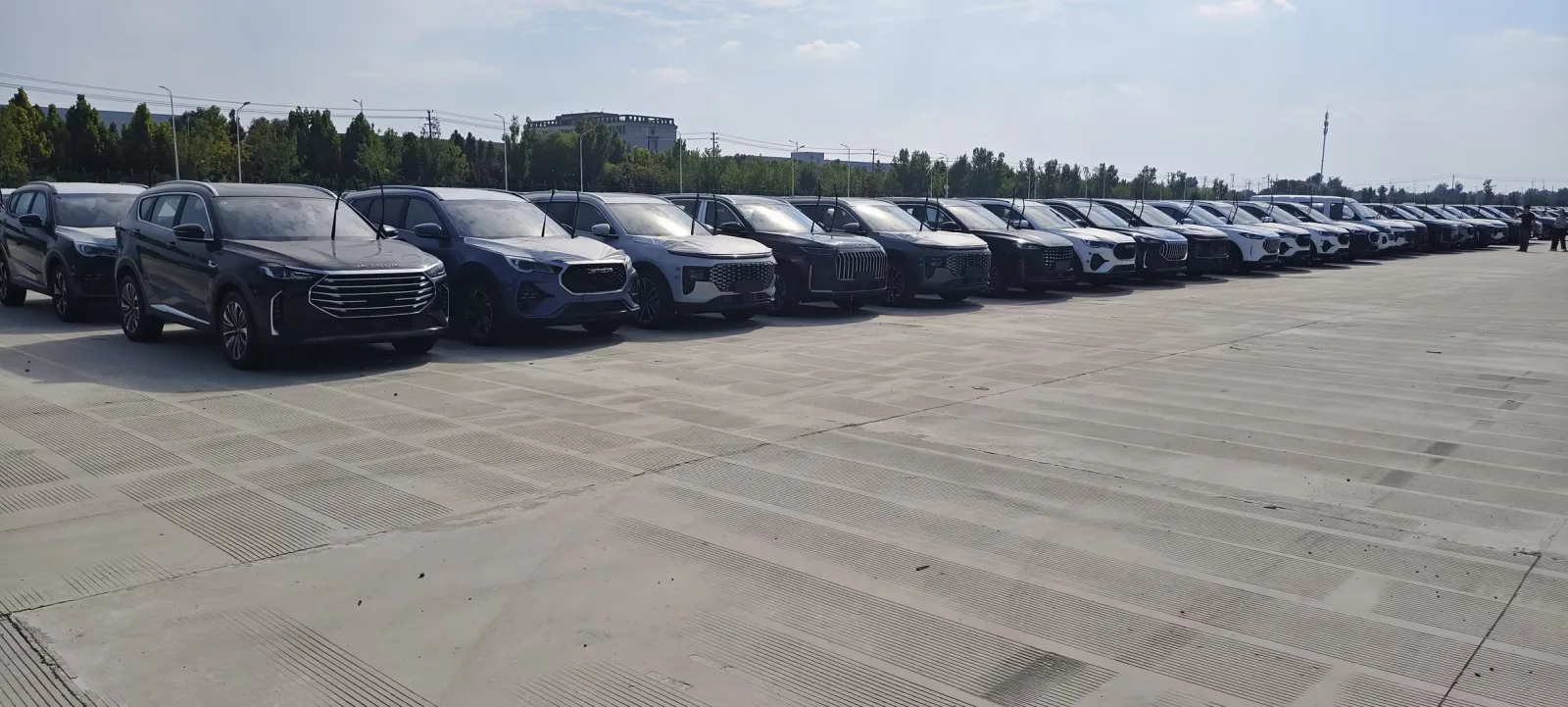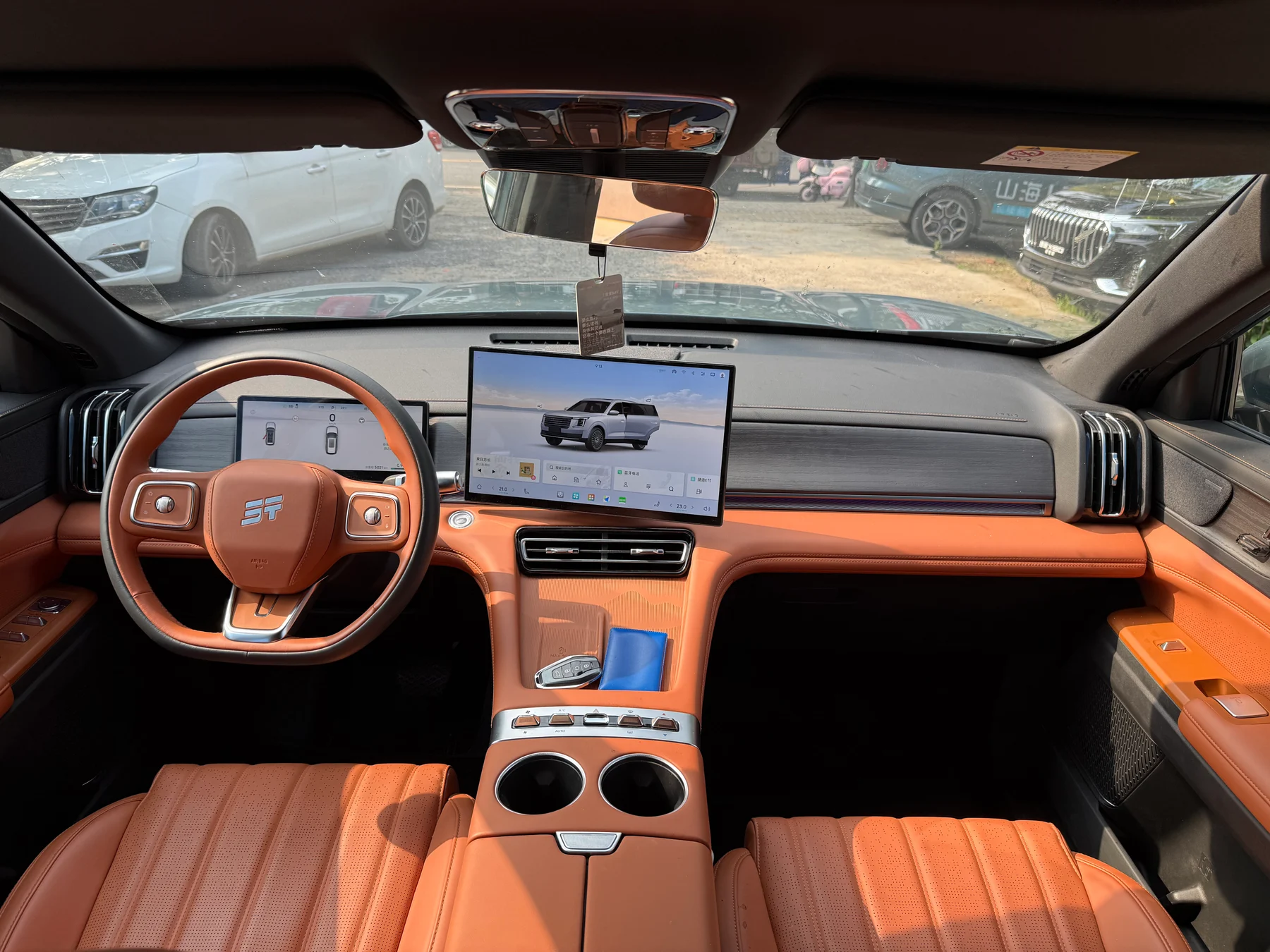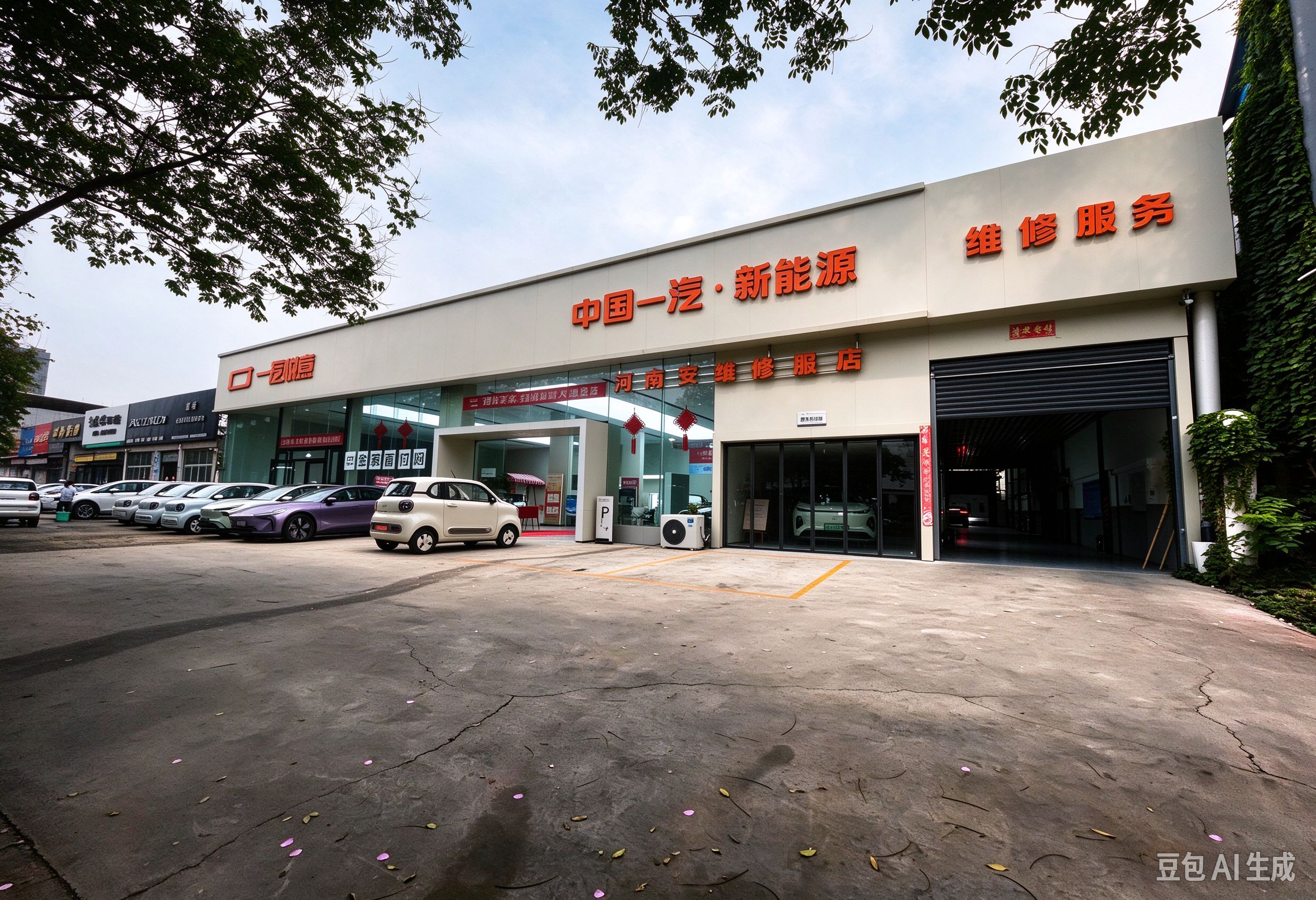

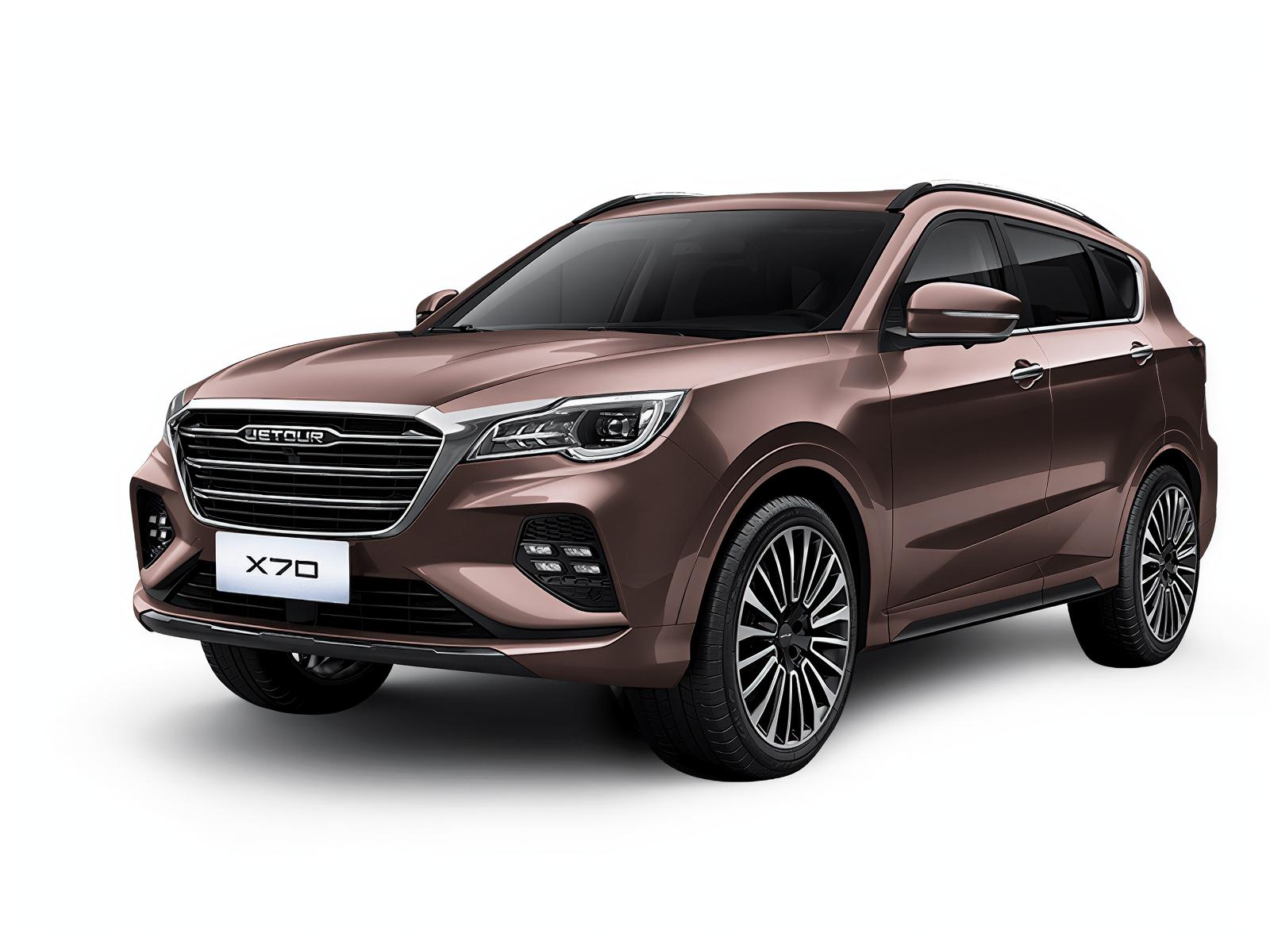
Ancheng’s vehicle business includes new and used vehicle sourcing. A useful brief explains your target buyers and essential requirements first, so the options can be compared on a consistent basis.
Start with the end user.
Explain whether you are sourcing for resale, a fleet or a specific customer. Define the preferred model year, seating, powertrain and features before deciding which options to consider.
A budget is useful, but it should sit beside the product requirements. Identify which features and condition expectations cannot be compromised.
Ask for a clear condition picture.
For a used vehicle, request the available mileage, condition report, inspection information and documented history. Ask for current photographs that help you understand the vehicle being offered.
For a new vehicle, confirm its stated condition and the exact specification. In both cases, make sure the description and records relate to the vehicle under discussion.
Check suitability for your destination.
Discuss the required steering position, specification and documentation. Ask your local specialists to review destination requirements before you commit to an order.
Raise any expectations for local servicing, parts or warranty support early. Do not assume that a commercial arrangement in one market automatically applies in another.
Compare a complete offer.
Place specification, condition, quantity, documents and delivery scope next to the price. Keep a record of what is included and what still needs confirmation.
The better fit is the option that meets your brief on an agreed basis. A clear comparison is more useful than choosing from a single headline figure.
A short inquiry you can adapt.
We are sourcing vehicles for [customer / resale / fleet] in [destination]. We are considering [new / used] options with [model year / features / condition requirements]. Please share the available options, condition information and quotation scope.