
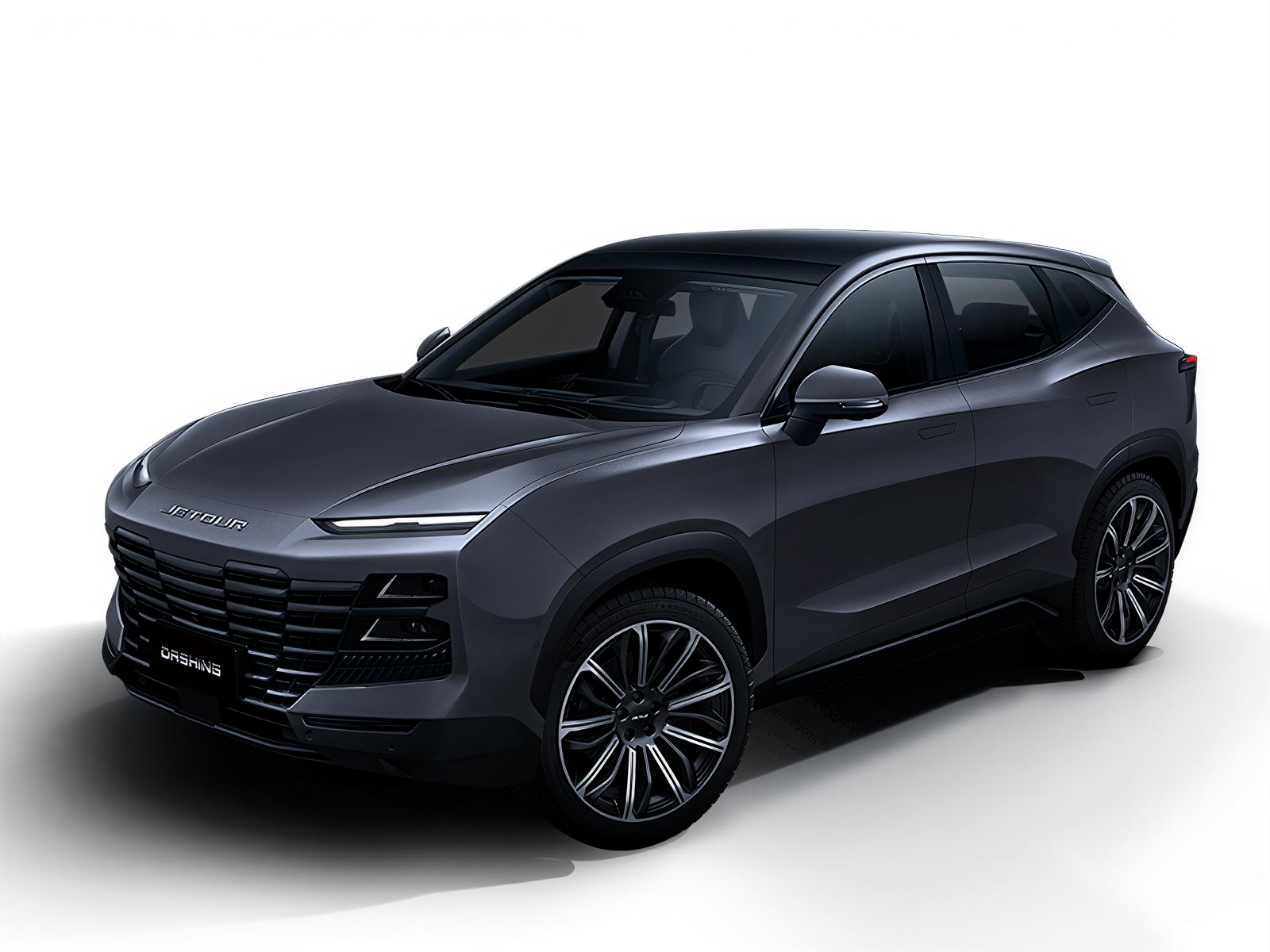
Start with how the vehicle will be used, not only the range figure in a brochure. Your destination, daily operating pattern and access to charging belong in the brief alongside the model and trim.
Describe the operating pattern.
Explain the typical journey, expected use and the features your customers need. State whether you are considering a battery electric vehicle or a plug-in hybrid vehicle.
Treat a brochure range figure as one piece of information. Ask which specification and test basis it describes instead of assuming it represents every real-world journey.
Bring charging into the discussion.
Ask for the offered vehicle’s charging connection and charging specifications. Review compatibility with the charging facilities your customers expect to use, with qualified local support where needed.
Include any charging equipment requirement in the brief. Do not assume that an accessory or a connection arrangement is included unless the offer confirms it.
Check the destination configuration.
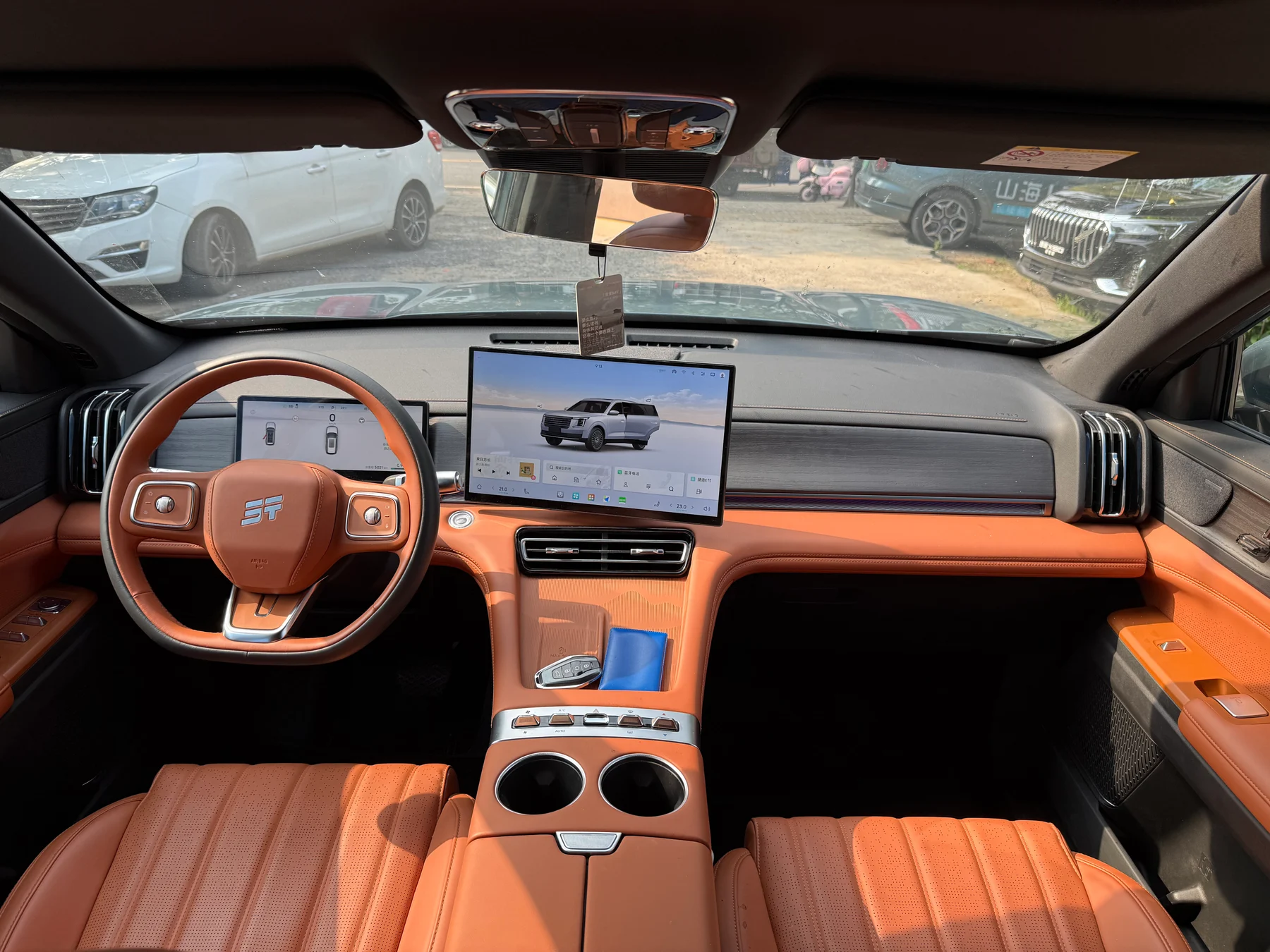
Confirm steering position, seating, equipment and market version. Ask which documentation is available for the vehicle offered and review destination suitability with the relevant local specialists.
Discuss connectivity, language settings and feature expectations where they matter. Make the specific requirement visible rather than relying on a general model description.
Ask about support before ordering.
Consider the servicing and support arrangements available to your customers. Request clear information about the scope of any support or warranty being discussed.
Put the agreed specification and scope in writing. A vehicle that fits your brief is a stronger starting point than one selected from a headline feature alone.
A short inquiry you can adapt.
We are considering [electric / plug-in hybrid] vehicles for [destination and use]. Please confirm the steering position, market version, configuration, charging connection, available documents and scope of any support included in the offer.